
Honolulu rewards a little planning. You might spend the morning above Waikiki on a volcanic crater, then watch the afternoon light move across the Pacific from a boat. Pearl Harbor and downtown offer a very different pace, while the North Shore feels like another side of the island altogether. The trick is choosing experiences that fit together, rather than trying to cross the island for every activity.
For a balanced itinerary, pair one ocean activity with one land activity, then leave room for an easy evening. Book the experiences that depend on timed entry or scheduled departures before you arrive, and check conditions again on the day. Ocean conditions can change, and a beach that looks inviting isn't automatically right for every swimmer.
Mornings are a useful time to plan outdoor activities, especially if you want cooler hiking conditions or a guided ocean trip. Pack reef-safe sunscreen, water, and a change of clothes. If you're new to snorkeling, look for included flotation and in-water guidance, not just a boat ride.
Table of Contents
- 1. Snorkel with Hawaiian Green Sea Turtles at Turtle Canyon
- 2. Go Whale Watching Off Waikiki
- 3. Take a Sunset Cruise from Waikiki
- 4. Visit the USS Arizona Memorial at Pearl Harbor
- 5. Hike Diamond Head State Monument
- 6. Snorkel at Hanauma Bay Nature Preserve
- 7. Learn to Surf at Waikiki Beach
- 8. Tour Iolani Palace
- 9. Explore the North Shore and Haleiwa
- 10. Hike to Manoa Falls
- 10 Best Things to Do in Honolulu: Comparison Table
- Build Your Perfect Honolulu Itinerary
1. Snorkel with Hawaiian Green Sea Turtles at Turtle Canyon
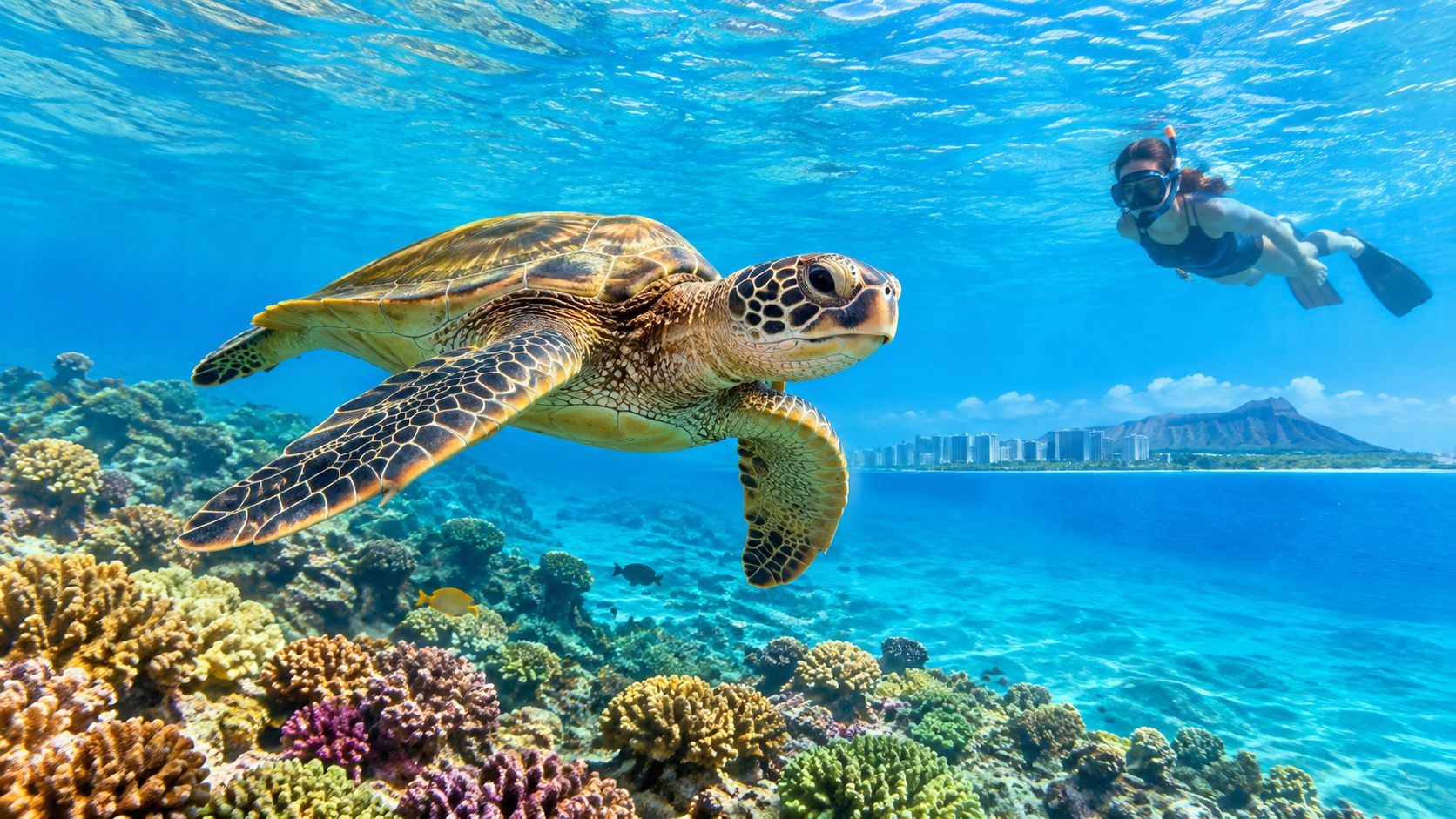
A honu glides beneath you in clear water while the Waikiki shoreline sits in the distance. That is the draw at Turtle Canyon, an offshore reef where a boat is the practical way in. The Snorkel Turtle Canyon trip departs from Pier B at 1025 Ala Moana Boulevard, running two-hour excursions with approximately 60 minutes of supervised snorkeling. Masks, snorkels, fins, and flotation vests are included, so beginners can focus on the water instead of the gear.
The crew helps you spot honu and reef fish and explains how to watch them without disturbing the habitat. NOAA recommends viewing Hawaiian sea turtles from at least 10 feet away, and says it's illegal to harass, harm, possess, or kill sea turtles, their eggs, or hatchlings (NOAA's marine-life viewing guidance). The appeal is broad. Hawaiʻi's 2024 activity study reports that 42.9% of visitors snorkeled, compared with 65.1% who went ocean swimming (2024 Visitor Satisfaction and Activity Study). Guided supervision matters most for guests who snorkel rarely, since someone is there to explain flotation and basic technique before you slide in.
Local tip: Tell the crew before departure if you're nervous in the water. They can set you up with flotation and stay closer once you're at the reef. I also steer anxious swimmers toward the earliest trip of the day, when conditions tend to be calmest.
The trade-off is that wildlife sets the schedule, and a sighting can't be promised. The boat ride may also be uncomfortable for guests prone to motion sickness, something worth weighing before you book. Families get some slack here: children ages 3 and up can join, and flotation support is provided. The Turtle Canyon sea turtle tours page lists current departure times and what each trip includes.
2. Go Whale Watching Off Waikiki
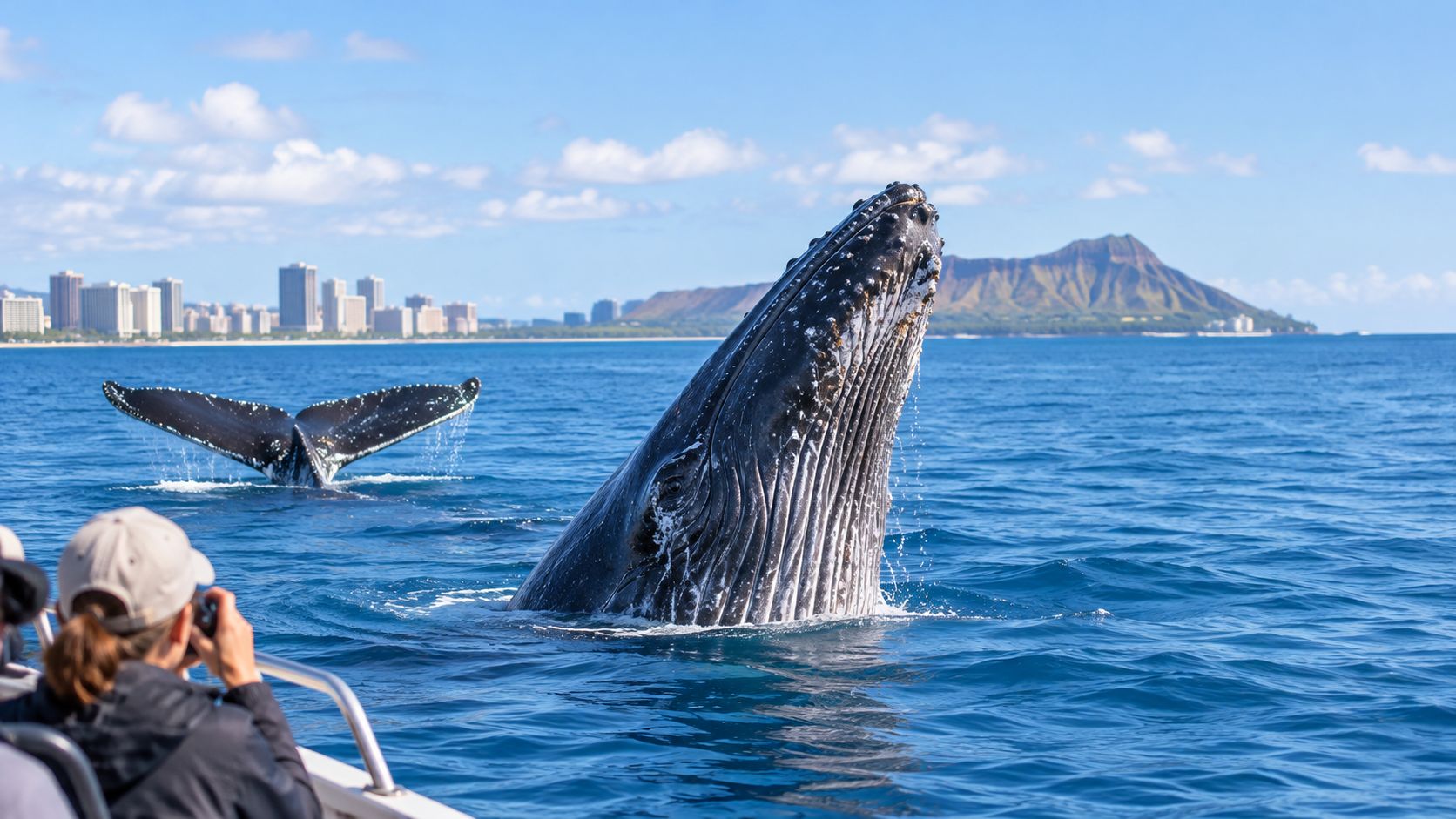
December through April, humpbacks migrate through Hawaiian waters, and boats leaving Waikiki put you on the water with the city skyline behind you and whales ahead. Winter is the season, so check schedules against your travel dates before assuming a trip is running. Living Ocean Tours runs a Waikiki whale watching tour with a crew that follows the federal approach rules, which matters more than most visitors realize when they book.
The rule that trips people up is distance. Hawaiʻi prohibits approaching a humpback within 100 yards, whether by boat, kayak, swimmer, aircraft, drone, or other means, and it also bans placing a vessel or person in a whale's path or disrupting its behavior (Hawaiʻi DLNR's humpback whale regulations). A responsible crew won't chase a whale for a better photo. Bring a zoom lens and keep expectations flexible.
Practical rule: If the water is rough, sit where the crew recommends and look toward the horizon. That helps with motion sensitivity, though it won't make a choppy ride smooth.
The whales set the terms. Book for the open-water experience and the chance to observe respectfully, not for a guaranteed close encounter.
3. Take a Sunset Cruise from Waikiki
A sunset cruise is an easy way to trade traffic and restaurant queues for sea air and a view of Waikiki from the water. Boats generally head along the south shore, with Diamond Head and the skyline in view as the light changes. Living Ocean Tours' evening cruise leaves from Waikiki and runs about two hours, short enough to pair with a late dinner.
Timing is the detail that trips visitors up. Departure is set against the sunset, so boarding starts before the light peaks, and a late arrival means missing the boat. Confirm the departure point on your booking, since some cruises board at Pier B, a short drive or rideshare from Waikiki rather than a walk off the beach. Arrive early and claim a spot on the Diamond Head side rail, which holds the coastline view while the sun drops.
What's included depends on the vessel, so check the listing for drinks, snacks, and entertainment before you book. Cloud cover can soften or obscure the sunset, so treat the boat ride and coastline views as the outing and the sunset as a bonus. It suits couples and families who want a lower-effort evening, less so travelers after an active excursion or a quiet, uncrowded view. To compare options, visit Sunset Cruise Waikiki.
4. Visit the USS Arizona Memorial at Pearl Harbor
Pearl Harbor is a sobering visit, not a quick photo stop. The USS Arizona Memorial sits above the sunken battleship, and the visitor experience combines exhibits and historical context with a boat ride to the memorial. Give yourself a substantial block of time for the visit and the trip there, especially if you're combining it with other sites in the area.
Timed entry is the detail that can trip visitors up. Check the official reservation system and current visitor information before setting your day, since availability and access arrangements can change. Other Pearl Harbor attractions, including the USS Missouri, have separate admission arrangements, so decide in advance which sites matter most to you.
The memorial can be emotionally heavy, particularly for children or visitors who aren't expecting the scale of the loss. Talk through the history beforehand if you're visiting as a family, and don't schedule a packed afternoon immediately afterward. A respectful visit benefits from unhurried time to read, listen, and reflect.
5. Hike Diamond Head State Monument
Diamond Head's summit trail gives you a broad view of Waikiki, the coastline, and the Pacific. The route climbs through a tunnel and up stairs and switchbacks, so it's short enough to fit into a morning but steep enough to feel like exercise. Remnants of the crater's military use add historical interest along the way.
Go early if you can. The trail has limited shade, and the climb feels harder under a hot sun. Bring water, wear shoes with grip, and take the stairs at your own pace. Visitors should check the official park reservation and entry details before setting out, particularly if they're driving or need a specific arrival time.
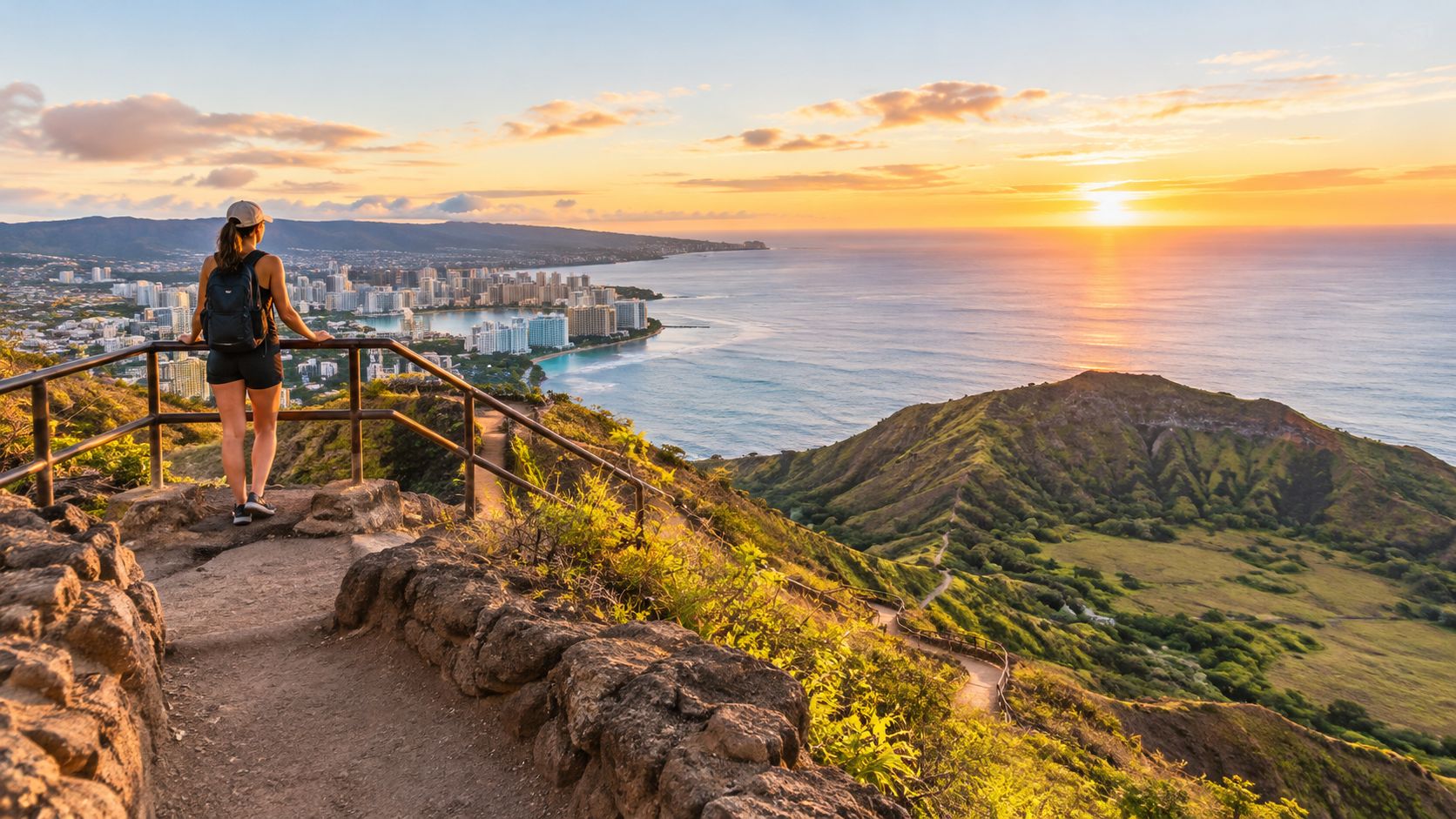
The main trade-off is popularity. A busy trail can mean a slower climb and a crowded lookout, but the view still earns its place on a Honolulu itinerary. Pair it with a relaxed beach afternoon rather than trying to squeeze another strenuous outing into the same day.
6. Snorkel at Hanauma Bay Nature Preserve
Hanauma Bay is a protected marine area on Oʻahu's southeast coast, with shallow water that can suit beginners when conditions are appropriate. Visitors watch an educational presentation about protecting the reef before entering the water. That guidance is part of the experience, not an optional extra: coral and marine life are easily damaged by careless contact.
Reservations are a key part of planning. Check the preserve's current booking system, operating days, and entry requirements before you leave Waikiki. Don't assume you can arrive at any time and walk straight in. Crowds and parking can also shape the visit, so an early start is useful if your schedule allows.
Hanauma is a shore-entry option, which makes it different from a guided boat trip to an offshore reef. That convenience comes with less direct in-water guidance, so be honest about your comfort level, especially if you're bringing children or first-time snorkelers. For background on respectful turtle viewing, see this guide to Hawaiian turtles and responsible encounters.
Choose the bay for its protected setting and educational approach, not because you expect an empty beach. If conditions or crowds don't suit your group, consider a guided excursion with flotation and in-water support instead.
7. Learn to Surf at Waikiki Beach
Waikiki is a welcoming place to try surfing, with schools offering beginner lessons and boards as part of the instruction. Lessons typically start with basics on the sand before moving into the water. That structure helps first-timers focus on balance and timing instead of figuring out equipment alone.
The surf zone can be busy, and conditions vary. Listen closely to the instructor, who can choose an appropriate place to enter and explain how to avoid other surfers. If you're traveling with a group, ask whether the lesson is private or shared and what you need to bring; rash guards and boards are commonly included, but confirm the details with the school.
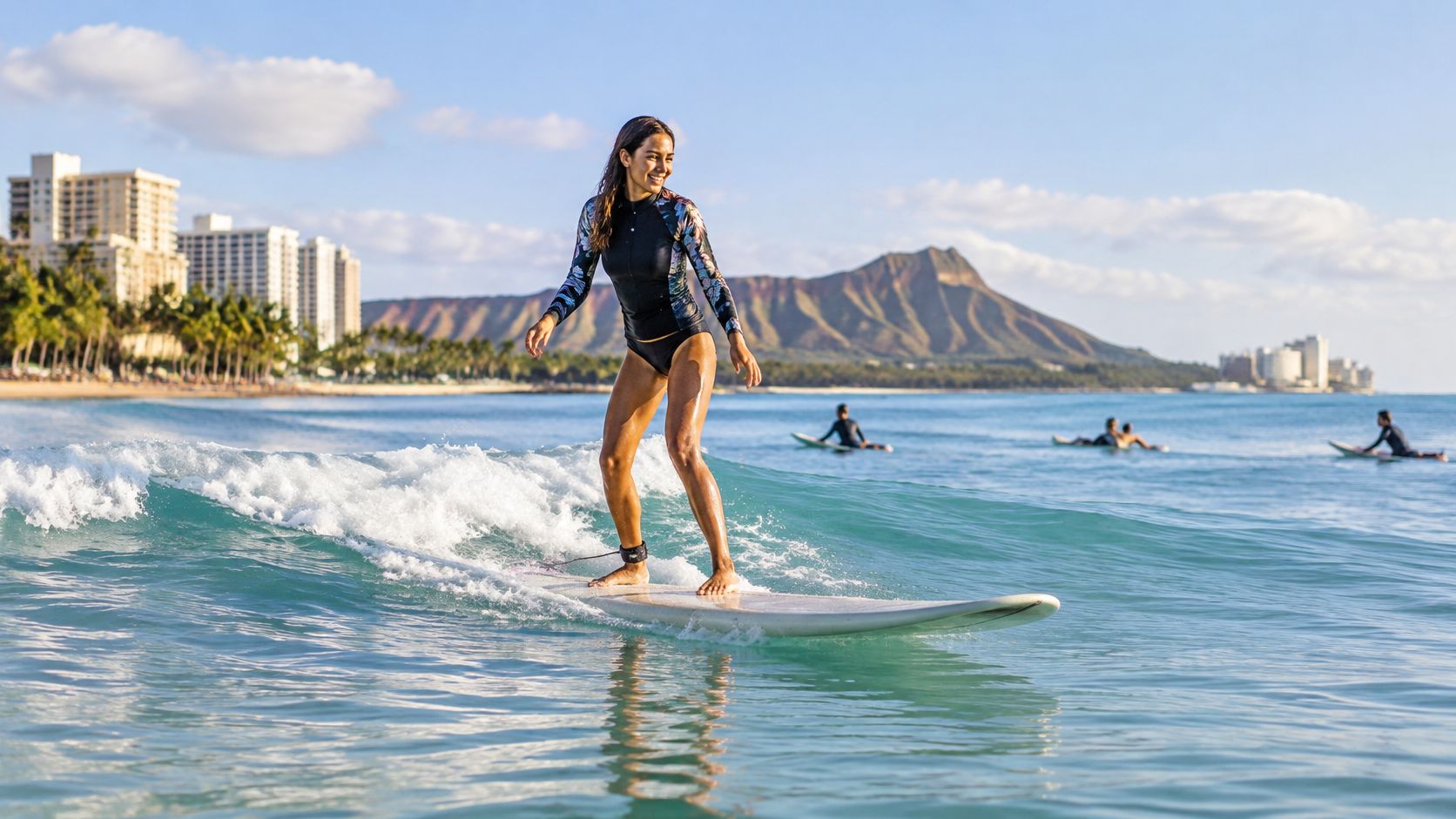
Duke Kahanamoku's statue at Kuhio Beach connects the lesson to Waikiki's surfing heritage. Stop there before or after you get in the water. The trade-off is that standing up takes practice, and a lesson can leave your shoulders tired. Book it for a day when you're happy to keep the rest of your plans easy.
8. Tour Iolani Palace
Iolani Palace brings Hawaiian history into sharp focus. Completed in 1882, it was the official residence of Hawaiian monarchs and is the only royal palace on U.S. soil. The palace's rooms and grounds offer context for the kingdom's history, while its location in downtown Honolulu makes it convenient to pair with nearby civic landmarks.
Interior access is by guided tour, so check tour availability and photography rules before you go. Downtown parking can be limited, and visitors are better off planning their transport rather than circling for a space at the last minute. If you're combining the palace with other stops, leave time to move between them without rushing through the tour.
The visit works especially well for travelers who want more than beach and outdoor activities. The palace offers a quieter, indoor change of pace and a chance to understand Hawaiʻi's monarchy and political history. Give the exhibits and guide your attention; this isn't a stop that's best experienced at a sprint.
9. Explore the North Shore and Haleiwa
Haleiwa's shops, galleries, and food stops make a good base for exploring the North Shore. You can spend time in town, then visit surf beaches such as Waimea Bay, Pipeline, or Sunset Beach. Conditions shift by season, so check the water before swimming or snorkeling rather than choosing a beach based only on its reputation.
The drive from Waikiki takes planning. Traffic on Kamehameha Highway can slow the trip, and parking near popular beaches can be limited. Pick a few stops instead of trying to see every beach in one pass. Matsumoto Shave Ice is a longtime Haleiwa favorite, and local eateries and food trucks make it easy to turn the outing into a relaxed lunch stop.
The North Shore isn't a single activity. It's a drive, a town visit, and a coastline day, so leave room for delays.
Winter surf can be dangerous for inexperienced swimmers. In summer, some North Shore spots may be better suited to swimming and snorkeling, but always follow local signs and lifeguard guidance. The best insider move is to decide your beach plan after checking conditions, not before you leave Honolulu.
10. Hike to Manoa Falls
Manoa Falls offers a rainforest walk close to Honolulu, with dense greenery, bamboo, and a waterfall at the end of the trail. The path can feel worlds away from Waikiki, even though it's within the city. It's a good choice if you want a nature outing without committing to a long island drive.
Expect mud. Rain can leave the trail slippery, so wear shoes with traction and bring a light layer if the valley is wet. Check trail access and parking arrangements before you go, and don't climb on rocks near the falls. Flash flooding and slippery surfaces can make conditions unsafe, so turn back if the route feels wrong for your group.
The waterfall is the payoff, but the walk itself is the point: look for ferns, moss, and changing light through the trees. It's less suitable if you need a dry, paved stroll or have limited mobility. Go with enough time to enjoy the trail instead of rushing to the viewpoint and back.
10 Best Things to Do in Honolulu: Comparison Table
| Experience | 🔄 Complexity & logistics | ⚡ Time and resources | 📊 Expected experience | ⭐ Ideal use and key advantage |
|---|---|---|---|---|
| Snorkel with Hawaiian Green Sea Turtles at Turtle Canyon | Guided boat trip; no shore swim required | About 2 hours; gear and flotation provided | Supervised reef snorkeling; turtle sightings are likely but not guaranteed | Families, beginners, and wildlife watchers; 💡 guides provide reef-etiquette briefings |
| Whale Watching Off Waikiki | Boat tour; seasonal and weather-dependent | Roughly November–April; camera or binoculars useful | Chance to observe humpbacks from a regulated distance | Seasonal wildlife viewing and photography; 📊 best odds are often January–March |
| Sunset Cruise from Waikiki | Easy, low-activity boat outing; book popular sailings ahead | About 2 hours; inclusions vary by vessel | Coastal views and sunset, weather permitting | Couples and groups seeking a relaxing evening; 💡 compare food and drink inclusions |
| Visit the USS Arizona Memorial at Pearl Harbor | Timed entry, security screening, and advance booking recommended | Half day or more; memorial shuttle and visitor-center exhibits | Reflective visit to a major World War II memorial | History-focused visitors and families; ⭐ visitor center admission is free |
| Hike Diamond Head State Monument | Moderate, steep trail; reserve entry and parking | About 1.6 miles round trip; bring water and sturdy shoes | Summit panoramas, historic structures, and crater scenery | Active visitors seeking iconic views; ⚡ an early start can reduce heat exposure |
| Snorkel at Hanauma Bay Nature Preserve | Reservations required; educational video before entry | Allow time for entry and snorkeling; gear available to rent | Shallow-water reef and tropical fish viewing | Families and beginner snorkelers; ⭐ sheltered water and conservation education |
| Learn to Surf at Waikiki Beach | Instructor-led lesson; book a surf school | Short lesson; board and instruction typically included | Beginner practice on gentle waves | First-time surfers and culture-minded visitors; 💡 early sessions may be less crowded |
| Tour Iolani Palace | Guided tour required for palace interior; advance booking advised | Allow time for the tour and downtown visit | Insight into Hawaiian monarchy, history, and architecture | History and culture enthusiasts; ⭐ a rare royal palace experience in the U.S. |
| Explore the North Shore and Haleiwa | Self-guided day trip; traffic and beach conditions affect plans | Full day; roughly an hour's drive from Waikiki, traffic permitting | Surf scenery, local food, shops, and seasonal beach activities | Visitors seeking a slower-paced island outing; 💡 check surf conditions before swimming |
| Hike to Manoa Falls | Short rainforest trail; conditions can be muddy or slippery | About 1.6 miles round trip; water and grippy shoes recommended | Lush valley scenery and a 150-foot waterfall | Nature lovers seeking a nearby hike; 💡 avoid heavy rain and flood conditions |
Build Your Perfect Honolulu Itinerary
A good Honolulu day has a clear shape: one ocean activity, one land activity, and one evening experience. That leaves room for meals, rest, and the inevitable slowdown that comes with a warm day outside. Pair a morning snorkel with an easy afternoon in Waikiki, or visit Iolani Palace before a sunset cruise. Avoid stacking a strenuous hike, a long cross-island drive, and an ocean excursion into one day.
Choose by ability and conditions, not only by popularity. A beginner who wants an in-water guide may be more comfortable on a supervised boat trip than attempting a difficult shore swim. A confident swimmer may prefer Hanauma Bay when access and conditions suit. For any ocean plan, ask whether flotation is provided, whether a lifeguard or guide will be present, and what the crew does if conditions change.
Book Turtle Canyon snorkeling, whale watching, and Pearl Harbor tickets well in advance. Reserve Diamond Head entry times, and check the latest operating schedules for Hanauma Bay and other seasonal activities before building your day around them. For a full-island outing, keep the North Shore to its own day rather than trying to combine it with several Honolulu stops.
Oʻahu's visitor data also argues for planning activities around the time you have. The island recorded 5,794,854 air visitors in 2024, while the average stay was 7.05 days, down from the previous year (Hawaiʻi's 2024 annual visitor report). That makes efficient, well-timed outings useful, especially if your trip is centered in Waikiki.
For a family-friendly paddle-and-snorkel day, the Turtle Canyon excursion combines a boat ride, provided equipment, and supervised time in the water. It's a practical choice when your group wants to see marine life without swimming out from shore or managing rental gear.
Snorkel Turtle Canyon runs guided boat trips to an offshore reef near Waikiki, with equipment, flotation, and in-water guidance included. If you're planning things to do in Honolulu and want a structured ocean outing for the family, visit Snorkel Turtle Canyon to explore the excursion.